

The uefa women’s champions league standings are one of the most followed aspects of European women’s football. Every season, the competition features the strongest clubs from across Europe competing for continental glory. Fans, analysts, and football enthusiasts closely monitor the standings to understand which teams are leading the race, who is likely to qualify for the knockout rounds, and which clubs are fighting to stay alive in the tournament. As women’s football continues to grow worldwide, the UEFA Women’s Champions League has become more competitive than ever before.
The standings provide more than just numbers on a table. They reflect consistency, attacking strength, defensive performance, and the overall quality of each participating club. Every point earned during the group stage plays a crucial role in determining the path toward the quarter-finals and eventually the championship trophy. Understanding how the standings work helps fans appreciate every match, every goal, and every result throughout the season.
What Are UEFA Women’s Champions League Standings?
The uefa women’s champions league standings represent the official league table used during the group stage of the tournament. Each participating team earns points based on match results, with victories, draws, and losses determining their position in the table.
The standings generally include several important statistics:
- Matches played
- Wins
- Draws
- Losses
- Goals scored
- Goals conceded
- Goal difference
- Total points
Teams compete within their assigned groups, and only the best-performing clubs qualify for the knockout stages. Every fixture has significant importance because even a single point can influence qualification or elimination.
Supporters follow the standings throughout the tournament to predict quarter-final matchups and identify favorites for the title.
How the UEFA Women’s Champions League Format Works
The tournament follows a structured format that ensures Europe’s top clubs face quality opposition throughout the competition.
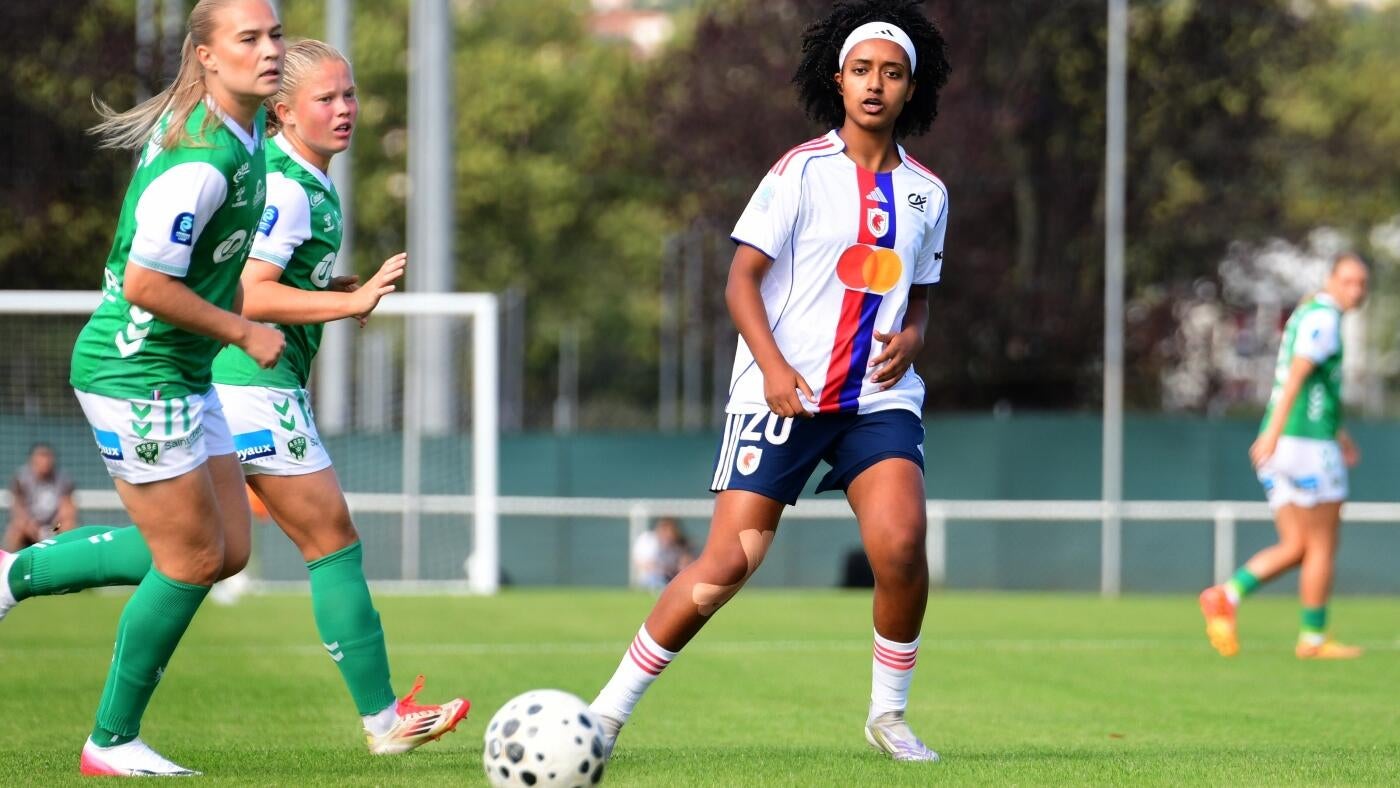
Qualification Stage
Before reaching the group stage, many clubs compete in qualifying rounds. Champions from domestic leagues and high-ranking clubs battle for a place among Europe’s elite.
Qualification is highly competitive because only a limited number of teams earn entry into the group stage.
Group Stage
Once qualified, clubs are divided into groups. Every team plays home-and-away matches against the other teams in its group.
The uefa women’s champions league standings are updated after every matchday, reflecting each club’s progress.
The top teams advance to the knockout rounds while others are eliminated from the competition.
Knockout Stage
The quarter-finals, semi-finals, and final are played after the group stage. At this point, standings are no longer used, as the tournament becomes a direct elimination competition.
How Points Are Awarded in the Standings
Understanding the points system makes following the tournament much easier.
| Match Result | Points Awarded |
|---|---|
| Win | 3 Points |
| Draw | 1 Point |
| Loss | 0 Points |
If two or more teams finish level on points, UEFA applies tiebreaker rules, including:
- Head-to-head results
- Goal difference
- Goals scored
- Away performance (where applicable)
- Overall tournament statistics
These rules ensure that the final rankings accurately reward the strongest performers.
Why UEFA Women’s Champions League Standings Matter
The standings influence nearly every aspect of the competition.
First, they determine qualification for the knockout rounds. Only the highest-ranked teams continue their journey toward the championship trophy.
Second, the standings showcase consistency. A club may have star players and exciting performances, but only regular positive results can keep it near the top of the table.
Third, they provide valuable insights for coaches. Managers analyze standings alongside performance data to prepare tactical adjustments for upcoming matches.
Finally, fans use the standings to follow their favorite clubs, compare rival teams, and discuss possible knockout scenarios throughout the season.
Top Clubs That Frequently Lead the Standings
Several clubs have consistently performed at the highest level in European women’s football.
Olympique Lyonnais
Lyon has established itself as one of the most successful clubs in tournament history. Their attacking style, strong defense, and experienced squad often place them near the top of the standings.
FC Barcelona Femení
Barcelona has become one of Europe’s strongest women’s teams through excellent youth development, technical football, and world-class players.
Chelsea Women
Chelsea continues to challenge Europe’s elite every season, consistently competing for group-stage qualification and knockout success.
Bayern Munich Women
Bayern combines tactical discipline with outstanding squad depth, making them regular contenders in European competition.
Arsenal Women
Arsenal remains one of England’s most respected clubs and frequently competes among Europe’s strongest teams.
These clubs often dominate the uefa women’s champions league standings, although every season brings new surprises.
Factors That Influence the Standings
Several elements determine whether a club rises or falls during the tournament.
Goal Difference
Scoring goals while maintaining a strong defense improves goal difference, an important tiebreaker.
Squad Depth
Busy schedules require managers to rotate players. Clubs with stronger benches usually perform more consistently.
Injuries
Missing key players can significantly impact results, especially during crucial group-stage matches.
Home Advantage
Many teams perform better in front of home supporters, making home fixtures especially valuable.
Consistency
Winning consecutive matches often separates title contenders from mid-table teams.
Every one of these factors can shape the final uefa women’s champions league standings.
Key Statistics Fans Should Watch
While points remain the primary measurement, several statistics provide deeper insight into team performance.
Important metrics include:
- Goals scored
- Goals conceded
- Clean sheets
- Possession percentage
- Passing accuracy
- Shots on target
- Goal difference
- Winning streaks
Together, these numbers help explain why certain clubs dominate the competition while others struggle.
How Teams Qualify for the Knockout Stage
Qualification depends entirely on performances during the group stage.
Typically, the highest-ranked teams in each group advance to the quarter-finals.
To secure qualification, clubs aim to:
- Win home matches
- Earn points away from home
- Maintain a positive goal difference
- Avoid unnecessary defeats
- Stay consistent throughout every matchday
Late victories and dramatic comebacks often reshape the uefa women’s champions league standings, making every fixture exciting until the final group-stage match.
Players Who Often Influence the Standings
Individual brilliance frequently determines important results.
Elite forwards score decisive goals, midfielders control possession, and defenders protect narrow leads. Goalkeepers also play a crucial role by producing match-winning saves.
Modern women’s football has become increasingly tactical, with teams relying on balanced squads rather than individual stars alone.
Young talents continue emerging each season, while experienced international players provide leadership during high-pressure matches.
These performances directly impact each club’s position in the standings.
The Growing Popularity of Women’s European Football
Women’s football has experienced remarkable growth over the past decade.
Higher attendance figures, improved youth academies, greater media coverage, and increased investment have elevated the quality of competition across Europe.
The UEFA Women’s Champions League has become one of the world’s premier club tournaments, attracting millions of viewers every season.
Improved professionalism has also resulted in closer matches, stronger competition, and more unpredictable standings.
Fans now follow every matchday with enthusiasm, making the uefa women’s champions league standings one of the tournament’s most discussed topics throughout the season.
Predictions and Expectations for Future Seasons
The future of the competition looks brighter than ever.
Several emerging clubs continue investing in women’s football, creating stronger competition for traditional European powerhouses.
Young players from across Europe are entering professional academies at earlier ages, improving overall quality.
Advances in coaching, sports science, analytics, and player development are expected to produce even more competitive seasons in the coming years.
As more clubs challenge for qualification, the standings will likely become tighter, making every point increasingly valuable.
Supporters can expect thrilling races for the knockout spots and exciting battles for European supremacy.
Conclusion
The uefa women’s champions league standings are much more than a simple points table. They represent every club’s journey through Europe’s most prestigious women’s football competition, highlighting consistency, determination, and competitive excellence. From qualification rounds to the final group-stage fixtures, every goal and every point contributes to shaping the tournament. Understanding how the standings work allows fans to follow the competition more closely and appreciate the importance of each match. Whether tracking favorite clubs, analyzing title contenders, or predicting knockout qualifiers, the uefa women’s champions league standings remain an essential part of every UEFA Women’s Champions League season. As women’s football continues to reach new heights, the excitement surrounding the standings, the players, and the competition will only continue to grow.

